Low carbon housing is rapidly becoming the in-thing in construction, and was part of the conversation at the recent NSBRC Building Systems Workshop.
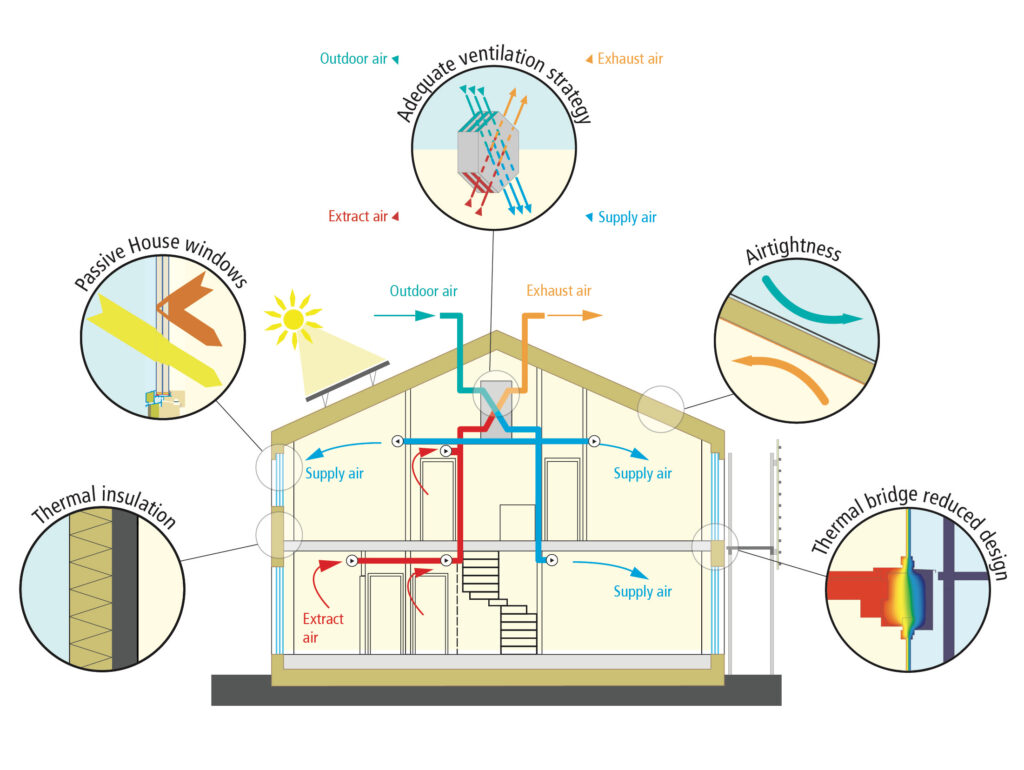
Of course, the Passive House Standard for low energy construction has been around since the early 90s, but not every housebuilder or self-builder aspires to that level of energy efficiency, and the Passivhaus standard doesn’t actually specify low carbon construction materials. Rather, it attempts to make the building as energy efficient as possible so that it uses less energy after construction by highly insulating the structure, using triple glazing, and aiming for very high airtightness levels. A stunning 35% of the people who filled in the survey said they were aiming for this standard, and 16% of them were aiming for full certification too!
The recently released Selfbuilder & Homemaker Survey on Committing to the Low Carbon Journey suggests that self-builders are ahead of the curve when it comes to aiming for low carbon housing construction.
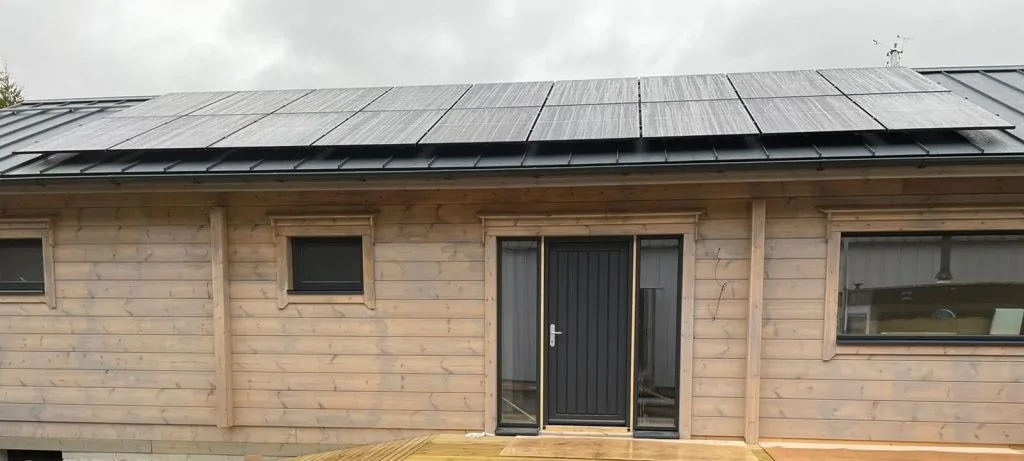
64% of the Self Builder magazine readers who responded to the survey “want their new home to reduce their carbon footprint and avoid contributing further to climate change”. It’s refreshing to see people acknowledging that they can do their bit to mitigate climate change, and as a company that helps customers to build eco-friendly log houses, we’re delighted to assist them in achieving their goals.
More than a third (37%) of the people surveyed said that they were building a new low carbon home, retrofitting their existing house or hoping to build a low carbon home – which was 6% more than last year. The principle of ‘fabric first’ is often mentioned when talking about low carbon housing builds, and timber is an excellent choice as a building material, due to its natural carbon capture properties. An average house with a floor area of 140m² can sequester over 40 tonnes of CO₂ in the fabric of the building, unlike traditional UK builds which create lots of CO₂ simply by being built.
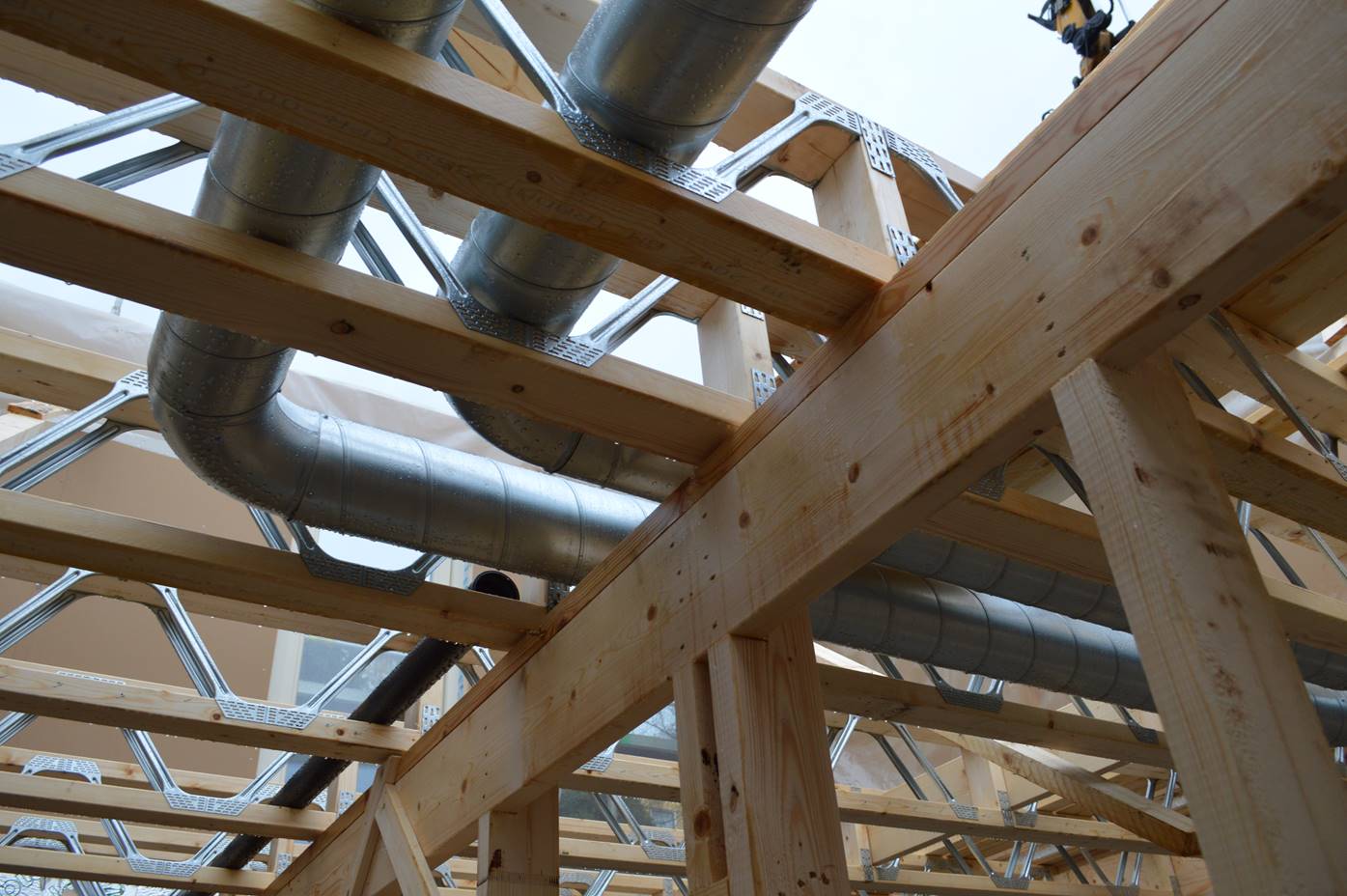
Many of our clients opt for MVHR (Mechanical Ventilation with Heat Recovery) systems in their log homes, which is advisable due to the excellent airtightness levels you can achieve in a log house. We were pleased to see that 47% of the self-builders who took part in the survey agreed that MVHR is an important component of a low carbon build, up on 43% last year. Given that the Government’s Future Homes Standard, due to come into force in 2025, is designed to decarbonise new homes by concentrating on improving heating and hot water systems and reducing heat waste, they are wise to do so.
Hard on the heels of this survey, we read that the Government has also now published a roadmap to increase the use of wood in UK construction, and to encourage a boost of the domestic forestry and wood processing industries, providing new jobs in those sectors and reducing the UK’s reliance on imported timber.
The Scandinavian Homes team are delighted to see that both the construction sector and the Government are joining with us and our self builder clients in seeing that the future is green and made of wood.